.svg)



Roman Lindau discusses Raumgestalltung
Roman Lindau revisits one of the most defining moments in his catalogue as Colorcode launches its new Keeness sub-label with a remix package of his 2008 track ‘Raumgestaltung’.
Originally his first release as both a DJ and producer, the track marked the beginning of Lindau’s journey in the scene, opening the door to early performances at Berghain and laying the foundation for his career. Its impact quickly extended beyond a debut moment, becoming embedded in the club’s sonic identity after being selected by Len Faki for Berghain 03. Over time, it continued to gain recognition, from being highlighted by Ricardo Villalobos in a documentary on Berlin’s club culture to being named among the essential Berghain tracks by Rolling Stone.
Now revisited as the inaugural release on Keeness — a darker, dub-influenced extension of Colorcode — ‘Raumgestaltung’ returns in remastered form alongside new interpretations from Stanislav Tolkachev, Developer, and Myk Derill. The project not only reintroduces the track to a new generation, but also reflects Lindau’s ongoing connection to its raw, loop-driven essence and the role it continues to play within contemporary techno spaces. We caught up with Roman recently to learn more...
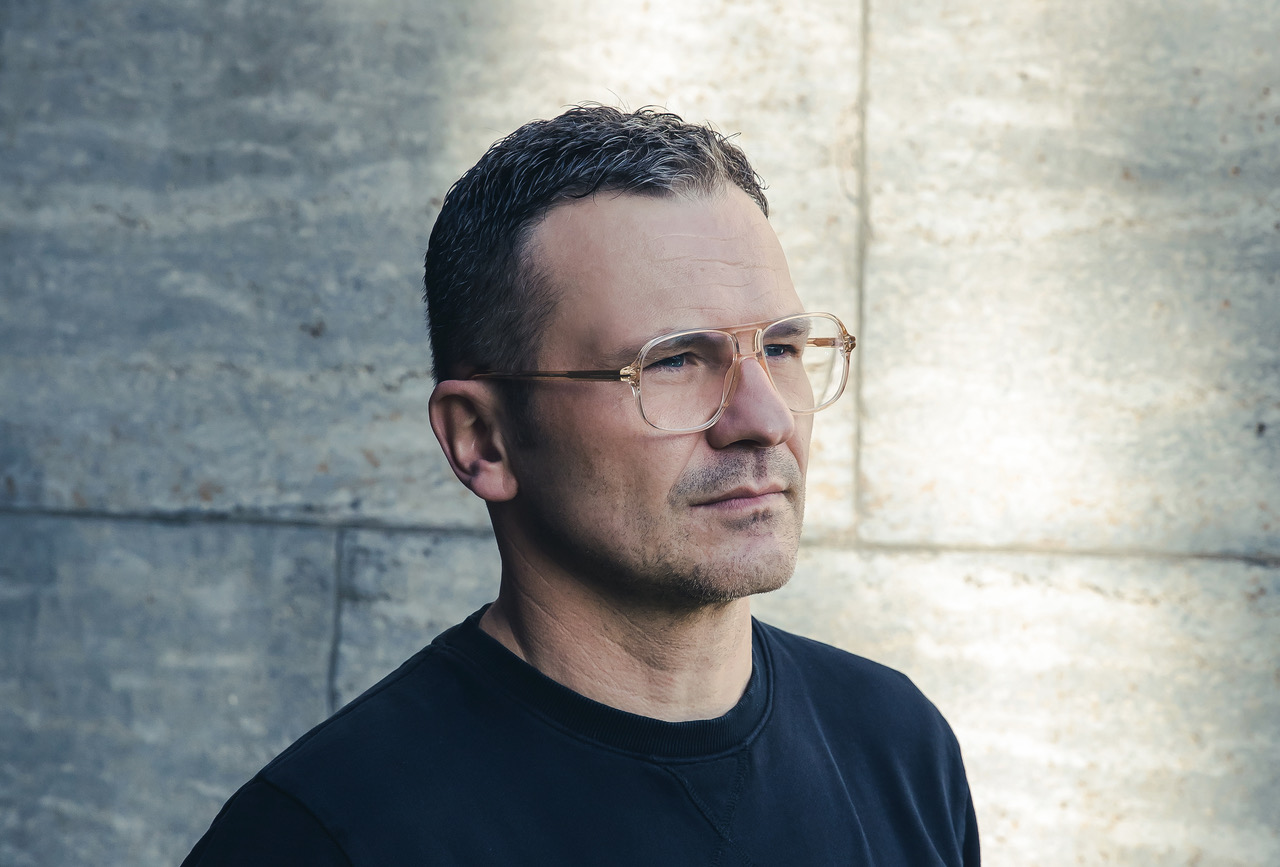
Raumgestaltung has long been considered a defining moment in your catalogue. Looking back to 2008, what did that track represent for you personally and artistically at the time?
Raumgestaltung carries enormous personal significance for me. It was my first release as both a DJ and producer — the true beginning of my journey in the scene. I remember being incredibly excited. It wasn’t just my debut record; it also opened the door to my first performances at Berghain. In many ways, this track laid the foundation for my career and helped me establish a presence within the wider techno community.
The track gained major recognition when Len Faki selected it for Berghain 03. How did that inclusion shift your trajectory, and when did you realise the record had moved beyond being ‘just another release’ into something more iconic?
Being included on Berghain 03 was overwhelming. It validated not only the interest of such an influential club, but also the support of a respected artist like Len Faki. At the time, I was simply proud and grateful. Only later did I fully grasp that the track had taken on a life of its own — that it had moved beyond being just another release and had grown into something iconic.
Over the years, Raumgestaltung has resurfaced in many ways, from being highlighted by Ricardo Villalobos in a Berlin club culture documentary to being named among the essential Berghain tracks by Rolling Stone in 2014. Why do you think this particular track endured while so many others from that era faded?
I believe Raumgestaltung endured because of its purity and depth. It’s minimal and loop-driven, yet highly distinctive. There’s a clarity and honesty in its construction that gives it a timeless quality. While many tracks are tied to a specific moment, this one seems to exist slightly outside of time.
With Keeness launching as a darker, dub-influenced sub-label of Colorcode, why did you feel Raumgestaltung was the right record to inaugurate this new chapter?
Developing Colorcode further and creating a dedicated space for dub-influenced techno felt like a natural progression. Keenness reflects a core aspect of our musical identity — the raw, dubby aesthetic that has shaped us from early on. We had been considering revisiting older material for some time, and Raumgestaltung felt like the most authentic starting point. Many younger listeners aren’t familiar with it, so reintroducing the track also felt like reclaiming and reframing part of our history.
The EP features remixes from Stanislav Tolkachev, Developer, and two interpretations from Myk Derill. What drew you to these particular artists, and how do their versions reflect different facets of the original’s DNA?
The choice of remixers was a joint decision between myself and my label partners, Sascha Rydell and Jens (Monomood). We’ve long admired their sonic language. Each artist shares a certain affinity with the original — not stylistically identical, but spiritually connected. What moved us most was their immediate enthusiasm. There was a sense of mutual respect and nostalgia throughout the process. It was important that their artistic DNA could merge with mine while still allowing their individuality to shine through.
The remaster opens the release. When revisiting the original session files, did you feel tempted to change anything structurally, or was the goal purely sonic enhancement, preserving the raw, loop-driven essence while elevating it for modern systems?
Initially, I considered producing a remake or reinterpretation, but I ultimately decided against it. The track stands firmly on its own, and I still identify with it deeply. The aim of the remaster was purely technical — improving clarity and depth while preserving its raw, loop-driven essence. We also slightly adjusted the tempo to increase flexibility in mixing and make a new vinyl pressing possible. Structurally, however, it remains untouched.
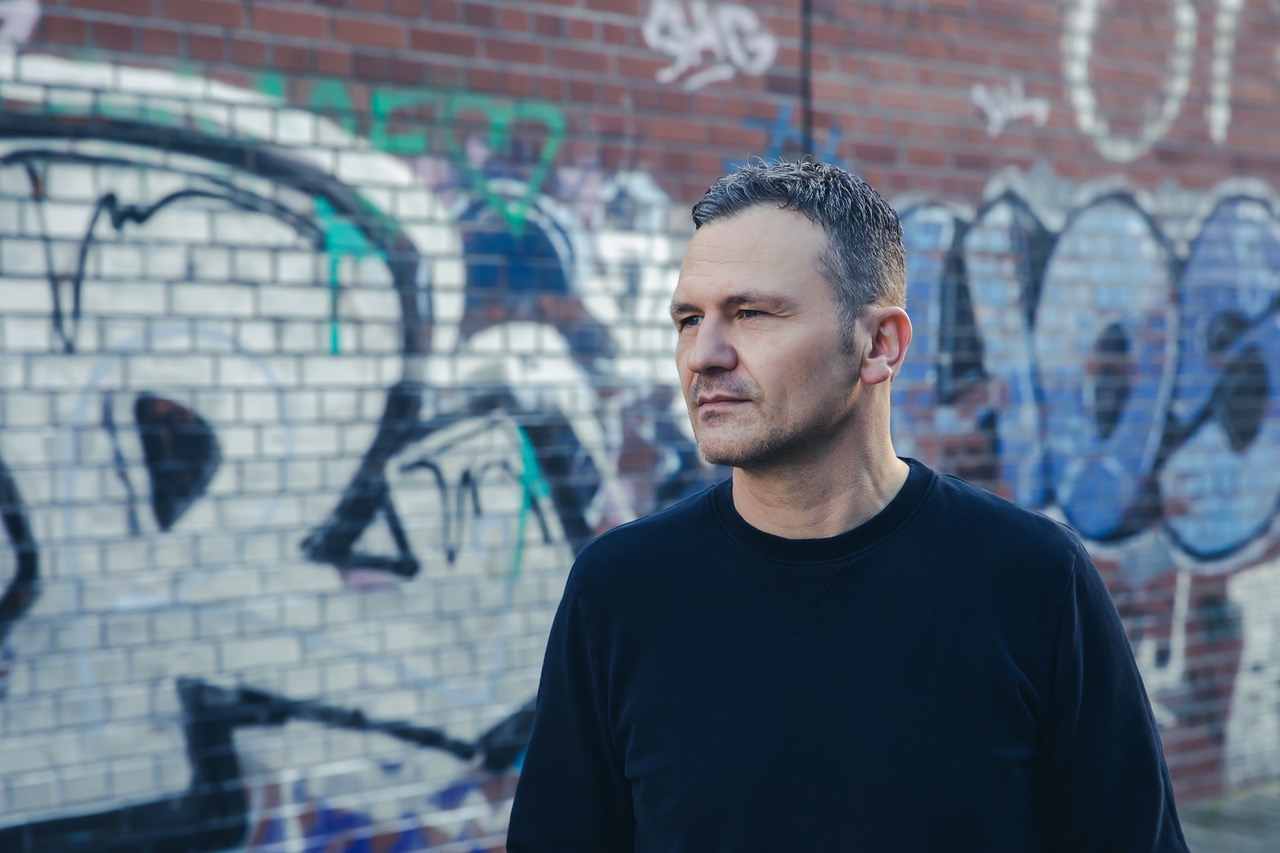
Raumgestaltung is often associated with the sonic identity of Berghain during a formative era. How do you reflect on that period now, and what does it mean to see the track still resonate within contemporary techno spaces nearly two decades later?
The electronic music landscape today moves at an incredible speed, with an endless stream of new releases. In that context, it means a great deal to me that Raumgestaltung continues to resonate and remains connected to a formative chapter of Berghain’s history.
What makes it even more special is that the track was never designed with that intention — it simply emerged organically.
As artists, we hope to leave something behind — a feeling, a memory, a moment that stays with people. The fact that this track still finds its way into contemporary spaces nearly two decades later gives me the quiet satisfaction that I may have achieved that, at least in part. I could never have imagined that my first release would have such longevity.
As co-founder of Colorcode, how do you see Keeness evolving from here, particularly with upcoming reinterpretations from artists like Seddig, KiNK, Sascha Rydell and Monomood? Is the goal archival, curatorial, or a way of recontextualising the label’s history for a new generation?
At Colorcode, we make key decisions collectively, though Sascha Rydell is undoubtedly the driving force behind the label’s vision and execution.
Keeness is not limited to a single intention — it’s archival, curatorial, and forward-looking at the same time. It allows us to preserve elements of our musical roots while placing them in dialogue with contemporary artists. We’re combining remasters of older material with fresh reinterpretations and new ideas, creating a bridge between generations.
Meanwhile, Colorcode will continue to serve as the broader platform for our evolving artistic identities. Keeness is about depth and heritage; Colorcode remains the space for expansion.
Buy/listen to the release via Beatport
Keep up with Roman Lindau on Instagram