



A Chat With Last Nubian…
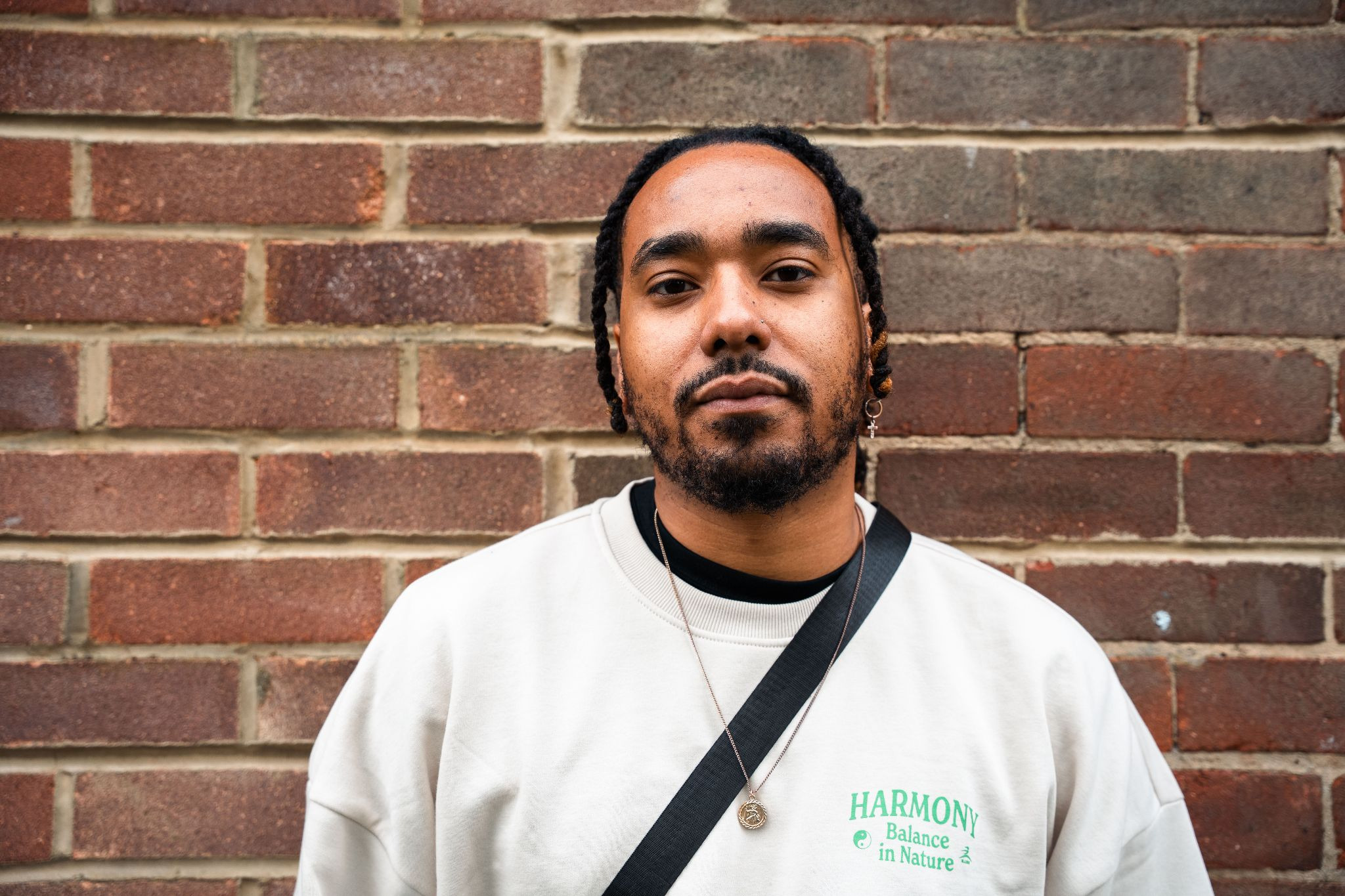
London-born producer and DJ Tre Wright, better known as Last Nubian, has been steadily carving out his own space within the worlds of House, Broken Beat and jazz-infused electronic music. Growing up surrounded by the sounds of UK club culture, from Garage and Grime to Funky House and Reggae, Wright has developed a distinctive musical identity that draws on these roots while continuing to push into new territory.
With releases on respected independent labels including Tiff’s Joints, Woop Records and Flat White Records, his Ghetto Child EP earned support from Pete Tong on BBC Radio 1 and Mixmag, while his 2023 project We Got There First further showcased his ability to weave together soulful textures, intricate rhythms and forward-thinking production. Alongside his work in the studio, Last Nubian holds a residency on South London radio station Balamii and has begun expanding his sound into live performance, with appearances at 91 Living Room and Gilles Peterson’s We Out Here festival.
His latest contribution sees him join the first instalment of Soul Quest Records’ Re:Quest Vol.1, remixing Sean Green’s “Really Love” featuring Will Heard with a deep, Afro-tinged and spiritual interpretation. We caught up with Last Nubian to discuss his musical journey, London’s ever-evolving underground, the creative process behind his latest remix and what lies ahead…
Growing up, you were surrounded by a diverse mix of sounds, from Grime and Garage to Funky House and Reggae. How did this musical upbringing shape your tastes and influence the sound you’ve developed as Last Nubian?
There’s a rawness to early Garage that you just can’t beat. I love sampling, and you can always find some of the best samples in Garage. With Funky House, there’s brilliant songwriting and arrangement. It’s more than just a loop. With Reggae, it’s the rhythm, the bass and, most importantly, the message, whether that comes through the vocals or the dubs. Apart from House, you wouldn’t have any of the above genres without Reggae.
Your music moves between House, Broken Beat and jazz, often blurring the boundaries between genres. How has your sound evolved since your early releases, and what are the key elements you feel define Last Nubian today?
I think nowadays I have a much deeper understanding of music theory and harmony. I still don't feel I'm quite where I want to be with it, but having a better understanding has definitely helped me tie my music together and bring different elements into a more cohesive sound.
Your Ghetto Child EP received support from Pete Tong on BBC Radio 1 and Mixmag, while We Got There First marked a significant milestone in 2023. How important were these releases in your development as an artist, and did the response change your perspective on where your music could take you?
We Got There First, for example, was a project with my long-time production collaborator Dougan. It marked the beginning of us creating many more projects together. It's always important to have people around you who you can grow creatively with, and that project really opened the door to that.
London has a rich history of musical innovation, particularly when it comes to blending club sounds with jazz, soul and broken beat. From your perspective, what makes the city’s underground scene special today, and where do you see it heading over the next few years?
I truly believe London is one of the few cities in the world where you have such a wide variety of musical influences. Genres like Bossa Nova, Jazz, Highlife and Reggae are all deeply appreciated here, and I think that shines through in some beautiful ways when they're mixed with foundational London sounds like Broken Beat, House, Jungle and Garage. That cross-pollination of influences is what makes the city's underground scene so special.
Through your residency on Balamii, you explore everything from jazz, funk, soul and hip-hop to contemporary club music. How does your work as a radio DJ feed into your production, and do you find that discovering older or more obscure records often inspires new ideas in the studio?
Doing radio means you're constantly looking for new music to play. I find that if I'm not discovering new music, I start to feel less inspired in the studio over time. It's almost like a kick up the arse when you hear new music from musicians across the world. It pushes you to get back into the studio and create. There's also a little hint of competitiveness in there!
Alongside your DJ sets and productions, you’ve recently been exploring live performances, including appearances at 91 Living Room and We Out Here. What inspired you to take this step, and how does performing live change the way you connect with your music and your audience?
There's something really special about expressing music through playing live with talented musicians. There are moments of unrehearsed improvisation where, when everything comes together, it's a feeling that's hard to describe. It feels like everyone is inside each other's minds. I have so much respect for musicians who have dedicated their whole lives to reaching that level of skill. Hopefully, it's not too late for me to get there myself!
Your latest remix of Sean Green’s “Really Love” featuring Will Heard appears on Soul Quest Records’ Re:Quest Vol.1, a project dedicated to revisiting and reimagining music from the label’s catalogue. What attracted you to the original track, and how did you approach creating a version that feels distinctly your own while retaining the essence of the original?
It was the vocals that really drew me in. When I do a remix, I usually like to take just one element from the original track and build everything else around it myself. With the vocals, I wanted to keep them as close to the original as possible, particularly in terms of their sound and tone, because they were already so good. Once I found the right groove and harmony, the rest of the track pretty much made itself.
Your remix brings a deep, Afro-tinged and spiritual energy to “Really Love”, complemented by additional piano keys. Can you take us through the production process? What were the main ideas or emotions you wanted to explore, and how did you arrive at the final arrangement?
Everything is built around the chords. Once I found the right harmony, I knew the drums could drive the rest of the track. I also knew I didn't want the arrangement to feel too busy, so I focused on creating rises and falls throughout the song, building tension and then releasing it without things getting too crazy.
The additional keys were played by Goldbar, who I'm also in a band with. He always gets the memo and executes the idea perfectly. He really understood the concept of building and releasing tension within the arrangement.
Having released music through independent labels such as Tiff’s Joints, Woop Records and Flat White Records, you’re now working with Soul Quest Records on its first Re:Quest release. How important have independent labels and the wider community been to your journey, and what do you look for when deciding which projects and collaborations to get involved in?
When releasing music with a label, I like to know that the people behind it are good people and are genuinely in it for the music. I've met Max a couple of times and know he's got his heart in the right place when it comes to music. Plus, his own productions are great! I think it's important to work with people who share the same passion for the art as you do. That mutual appreciation goes a long way.
With new music on the horizon and your live performances opening up new possibilities, what’s next for Last Nubian? Are there any sounds, collaborations or projects you’re particularly excited about, and how would you like your music to evolve over the coming years?
I've just wrapped up the band project Ships of the Pharaohs, which was released on First Word Records in September. It's a great project that we've put a lot of time and energy into, so it's only really now that I'm able to give the Last Nubian side of things some attention again.
I have a new project that I'm currently wrapping up, which should hopefully see a release in the first half of 2027. I'm looking forward to getting back into that world and exploring where I can take the sound next.
Buy / Stream ‘Re:Quest Vol.1’ HERE