.svg)



ONDULAR: Inside the Groove, Improvisation and Modular Madness
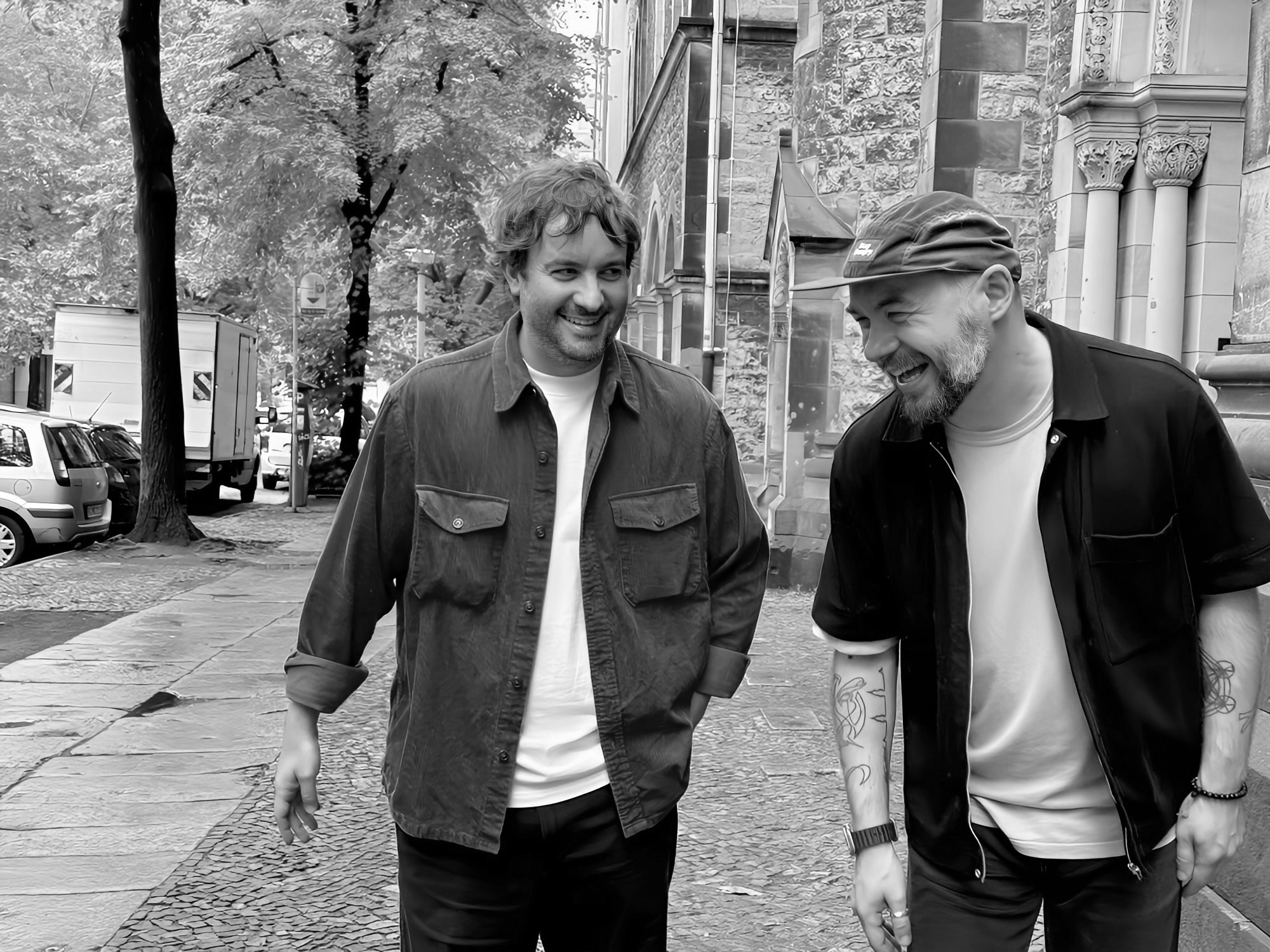
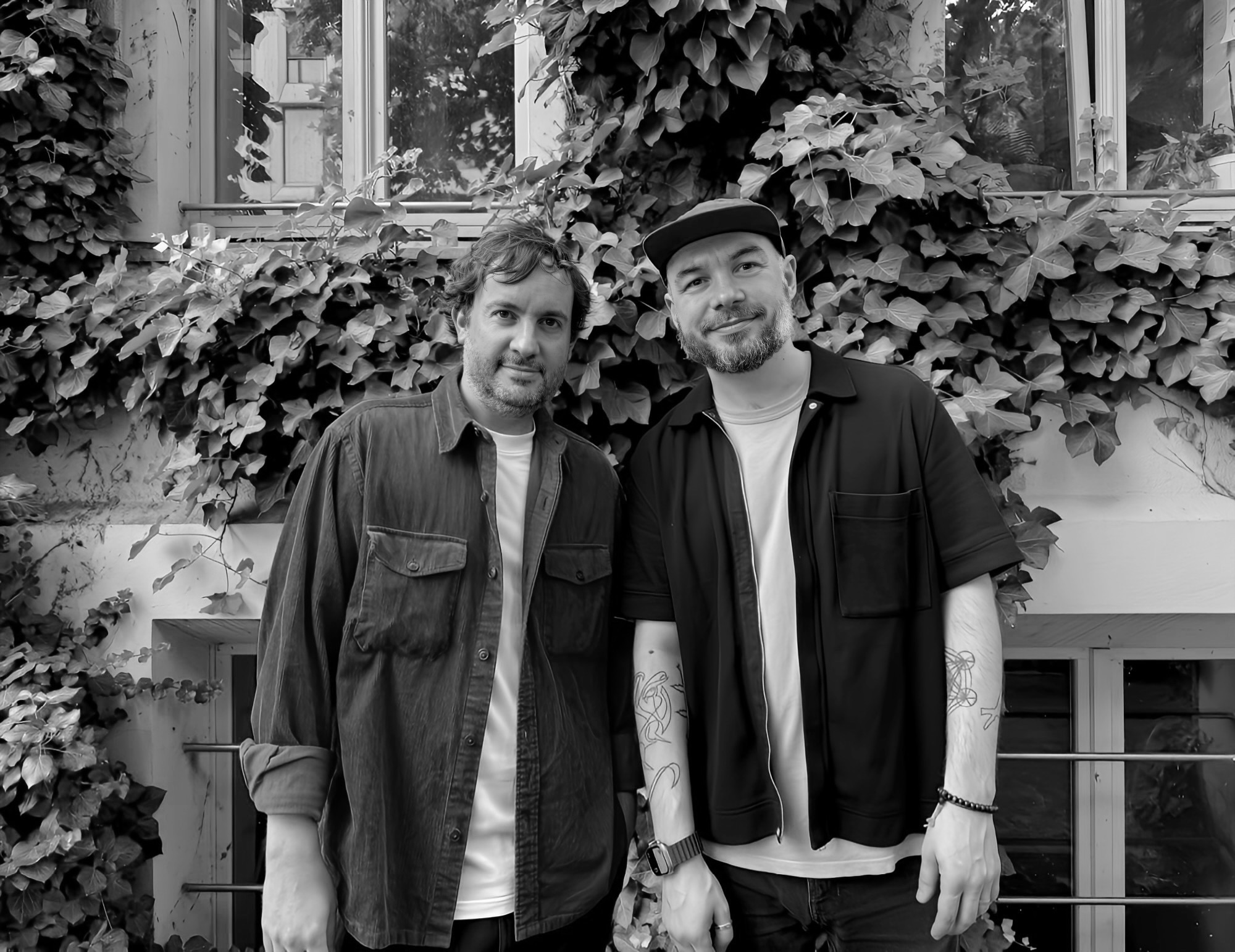
Berlin-based duo ONDULAR bring together the worlds of modular synthesis, minimal house and live improvisation. Formed by Argentinian producer and live act Alejandro Mosso and Ukrainian-born modular artist Mad Dim, the project emerged from a shared instinct for groove, experimentation and the unpredictable moments that can happen when two distinct musical minds come together.
With backgrounds spanning labels including Cocoon, Hivern Discs, Third Ear, Ouyayebu and Serialism, both artists arrived at ONDULAR with their own established identities, but quickly found a new musical language somewhere between deep rhythmic textures, evolving modular sound design and stripped-back club energy.
Ahead of their upcoming EP on Serialism, we caught up with the duo to discuss how the project came together, the role of improvisation and unpredictability in their studio process, and where they want to take ONDULAR next.
ONDULAR emerged from extended jam sessions and improvisation. At what point did those sessions stop feeling like two artists experimenting together and start feeling like an actual project?
From the very first session something clicked, we managed to get a nice groove going, something that we were both happy with. So the idea of starting a duo came very quickly. It became clear that not only we were connecting well at a musical level, but also personally.
You both come from quite different musical backgrounds. What did each of you bring into ONDULAR that the other perhaps couldn’t have created alone?
Despite having different music careers, we both belong somehow to the broad "minimal" scene. So it was easy to find common ground and understand each other's musical language. Perhaps Alejandro brings a warm, percussive and emotional vibe into the project, while Mad Dim brings the energy and intensity.
Your sound sits somewhere between modular synthesis, minimal house and percussive club energy. Was that direction intentional from the beginning, or did it develop naturally through the way you work together?
The direction of the project developed very naturally. From the first session a unique kind of "sound" and "groove" emerged. We were both happy with it, as it reflected our personal styles but also brought something new, and we kept building around it ever since.
Improvisation seems central to the project. How much of an ONDULAR track comes from capturing a spontaneous moment, and how much is shaped afterwards in the studio?
Our studio sessions are mostly focused on creating a series of musical motifs that go well together, like building a sonic catalogue for that track. Once we feel we have enough material to create an interesting full track composition, we move on to the arrangement phase.
Modular systems can be unpredictable. How important are accidents and unexpected moments in your creative process?
Throughout the years Mad Dim has built extensive knowledge of modular systems and has mastered the unpredictability and drifting nature of modular synths. In every ONDULAR track there is a great degree of unsynched modulation and movement that breathes life into the fixed grid structure.
Your productions are stripped-back but full of evolving textures and small sonic details. How do you know when a track needs another element, and when it’s time to leave it alone?
We tend to create more elements than what we end up using. Most of the time we end up with a bed of modular madness in the background, with a strong beat and bass line sitting on top, giving the track its structure, and some sort of hook, keys or vocals in between. Once we have those areas covered, we are good.
How does the dynamic between the two of you work in the studio? Do you have clearly defined roles, or is the process more fluid?
We do have roles, but they are flexible and have evolved naturally with each session. Most of the time Mad Dim focuses on the modular system, creating the texture or vibe where the track will sit, and playing jazzy chords and synths. Alejandro focuses on the groove, structure and architecture of the beat and percussion lines.
As a live act, how much room do you leave for improvisation? Can a performance take a completely different direction depending on the energy in the room?
For the live performance we have a clear structure of what we want to play at each event. But being two and bringing a considerable amount of gear on stage allows us to drift away from what we planned if we want. For example Alejandro can strip down a track to its basic drums, bringing new percussions with his drum machine, while Mad Dim can create an entirely new patch on his modular on the fly to improvise for a few minutes.
Both of you had established individual musical identities before ONDULAR. Has working together changed the way you approach your solo projects as well?
I believe we have both learned from each other. When you work with someone else, you often need to unlearn certain methods you have been using for a while and open yourself up to alternative views. This is not always easy. But I believe we have both discovered useful things in each other's workflows, techniques and methods that we are now starting to bring into our own solo projects.
Looking ahead, where do you want to take ONDULAR next, both musically and as a live project?
We are now planning a series of releases for the tracks we have ready, with the next EP coming out on Serialism before the end of the year. Video is also coming. On top of that we are playing some local shows in Berlin to keep the momentum going, fine tuning our setup, and starting to bring the project to shows abroad.
Listen to latest mix by ONDULAR on Nightclubber on the link below, recorded at Golden Gate, Berlin